Vascular Malformation Treatment in Navi Mumbai
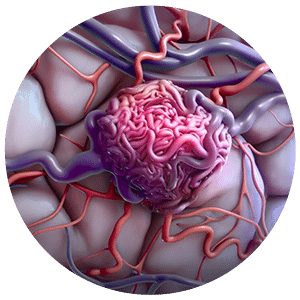
Vascular malformations are complex structural abnormalities of the blood or lymph vessels present at birth. Unlike hemangiomas (vascular tumors) which may shrink over time, vascular malformations typically grow with the child and do not resolve spontaneously. Management of vascular malformations requires a highly specialized, multidisciplinary approach to prevent complications such as pain, bleeding, and functional impairment.
Diagnosis of Vascular Malformation
Effective treatment begins with precise classification. Vascular malformations are medically categorized by their blood flow characteristics:
Slow-Flow (Venous, Lymphatic, Capillary) or High-Flow (Arteriovenous Malformations).
Medical guidelines dictate a stepped diagnostic protocol:
1. Clinical Evaluation & Doppler Ultrasonography
- Sudden swelling in one leg (rarely both).
2. MRI (Magnetic Resonance Imaging)
- For deep, complex, or extensive malformations, MRI is the gold standard imaging modality. T2-weighted sequencing is typically used to visualize the full extent of the lesion and its relationship to surrounding muscles, nerves, and organs.
3. Angiography (Digital Subtraction Angiography)
- This invasive imaging is generally reserved for high-flow Arteriovenous Malformations (AVMs). It provides a detailed "roadmap" of the feeding arteries and draining veins, which is critical for planning embolization procedures.
Treatment of Vascular Malformation
- Treatment strategy is strictly dictated by the type of malformation. There is no "one size fits all" approach; therapy is customized to the hemodynamic properties of the lesion.
1. Sclerotherapy (Standard for Venous & Lymphatic Malformations)
- Sclerotherapy is the first-line medical therapy for slow-flow malformations (Venous and Lymphatic). Under ultrasound guidance, a sclerosing agent (such as sodium tetradecyl sulfate or medical-grade alcohol) is injected directly into the abnormal vessels. The medication damages the inner lining of the malformation, causing it to collapse and turn into scar tissue, which the body gradually absorbs. This reduces the size of the lesion, alleviate pain, and improve cosmetic appearance without large surgical incisions.
2. Endovascular Embolization (Standard for AVMs)
- For high-flow Arteriovenous Malformations (AVMs), where arteries connect directly to veins without capillaries, simple sclerotherapy is often unsafe or ineffective. A catheter is navigated through the blood vessels to the site of the AVM. Liquid embolic agents (medical glue) or coils are deployed to block the abnormal blood flow. This is the primary treatment for AVMs to prevent bleeding and heart failure. It is often performed as a standalone treatment or to reduce blood flow before surgical removal.
3. Laser Therapy
- Cutaneous (skin-level) capillary malformations, such as Port-Wine Stains, are best treated with laser technology. Pulsed Dye Laser (PDL) or Nd:YAG lasers are used to target the hemoglobin in the blood vessels. The laser energy selectively destroys the abnormal superficial vessels while sparing the surrounding healthy skin.
4. Surgical Resection
- Surgery is considered when minimally invasive options (sclerotherapy or embolization) cannot fully address the issue, or for "debulking" large masses after they have been stabilized with embolization.
Conclusion and Future Directions in Vascular Malformation Management
The landscape of vascular malformation treatment continues to evolve, with sclerotherapy standing out as a cornerstone in achieving successful outcomes. Recent advancements in this field underscore the commitment to enhancing precision, reducing invasiveness, and ensuring the best possible results for patients.
If you or a loved one is grappling with vascular malformations, consult with a qualified medical professional to explore the most suitable treatment plan. Early intervention, coupled with the latest advancements in sclerotherapy, paves the way for a healthier and more confident life.
Our Services
- Varicose Vein and Varicose Ulcer Laser Treatment
- Deep Vein Thrombosis (DVT) Treatment
- Peripheral Artery Disease Treatment
- Vascular Malformation Treatment and Sclerotherapy
- Gangrene/ blackening of toes
- Non-Healing Ulcer/ Non-healing wound
- Uterine Fibroid and Prostate Embolization
- Diagnostic Angiography
- Cancer Treatments: TACE, RFA, Embolization
Book An Appointment
Ready to take the first step towards healthier legs?
Fill out the form below for a personalized consultation.