Understanding Peripheral Artery Disease:
Expert Insights from SLVC Clinic
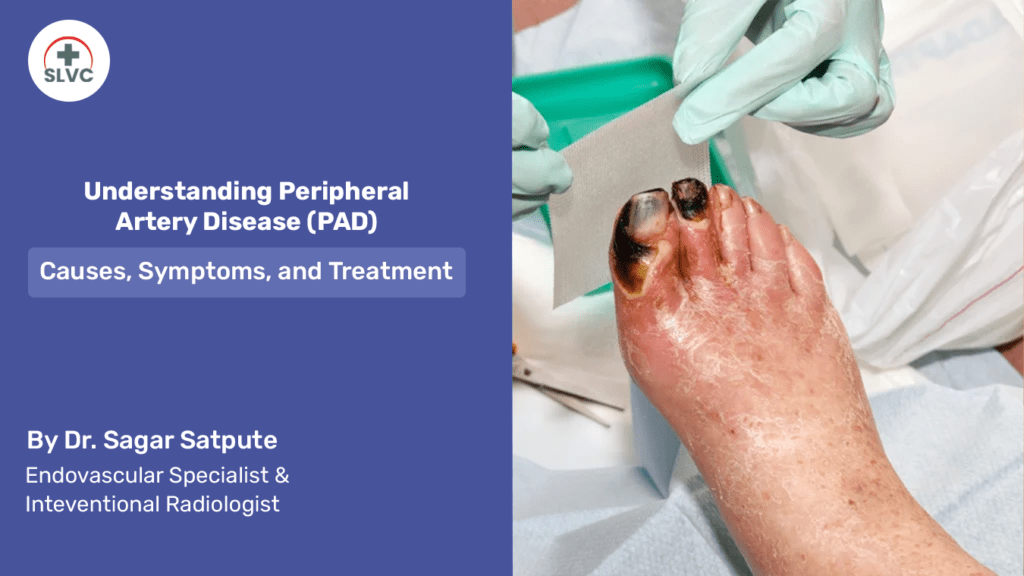
Table of Contents
What is peripheral artery disease?
Peripheral artery disease (PAD) is a common circulatory problem in which narrowed arteries reduce blood flow to your limbs. When you develop PAD, your extremities, usually your legs, don’t receive enough blood flow to keep up with demand. This may cause symptoms, most notably leg pain when walking (claudication).
What is the most common cause of peripheral artery disease?
The most common cause of peripheral artery disease is atherosclerosis. This condition occurs when fatty deposits (plaques) build up in the artery walls, reducing blood flow. Dr. Sagar Satpute at SLVC Clinic explains that the buildup of these plaques can restrict blood flow and lead to PAD.
What are the typical symptoms of peripheral artery disease?
The symptoms of Peripheral Artery Disease (PAD) can vary depending on the severity of the blockage. Look out for:
-
Leg pain or cramps during physical activity -
Coldness or numbness in your legs or feet -
Elevated cholesterol levels. -
Diabetes.
-
Obesity. -
Family history of PAD, heart disease, or stroke. -
Being age 50 and older.
It’s important to notice that some individuals with Peripheral Artery Disease (PAD) may not experience any symptoms at all. Regular check-ups with a healthcare provider are essential, especially for those who may be asymptomatic.
What are the risk factors for peripheral artery disease?
Several factors increase your risk of developing Peripheral Artery Disease (PAD), including:
-
Smoking or exposure to second-hand smoke. -
High blood pressure. -
Elevated cholesterol levels. -
Diabetes. -
Obesity. -
Family history of PAD, heart disease, or stroke. -
Being age 50 and older.
PREVENTION
How can I reduce my risk of peripheral artery disease?
While it’s not always possible to completely prevent Peripheral Artery Disease (PAD), there are steps you can take to reduce your risk:
-
Quit smoking or avoid second-hand smoke. -
Manage underlying health conditions like high blood pressure, high cholesterol, and diabetes effectively. -
Stay physically active and maintain a healthy weight. -
Adopt a balanced, nutritious diet. -
Schedule regular check-ups with your healthcare provider.
How is peripheral artery disease treated?
Managing Peripheral Artery Disease (PAD) involves a combination of lifestyle adjustments, medications, and medical procedures to improve your overall well-being.
The primary goals of PAD treatment are to reduce the risk of cardiovascular events and alleviate the pain associated with walking.
Book An Appointment
Lifestyle changes
Treatment often begins with lifestyle modifications:
-
Quit tobacco products. -
Follow a balanced diet low in cholesterol, fat, and sodium. -
Incorporate regular exercise into your routine. -
Manage other health conditions effectively. -
Reduce stress. -
Take good care of your feet and skin.
Medications
Medications can help control risk factors like high blood pressure, high cholesterol, and diabetes, reducing your risk of stroke and heart attack.
Supervised Exercise Programs
Structured exercise programs supervised by healthcare professionals can significantly relieve leg pain while walking. They may involve structured treadmill workouts and a daily walking routine that includes starting and stopping to manage discomfort.
Minimally invasive or surgical treatments
In cases where Peripheral Artery Disease (PAD) symptoms persist, even after exercise and medication, more advanced intervention may be required. Advanced Minimally invasive or surgical treatments are also one of the options.
Conclusion
Peripheral artery disease is a serious condition that can significantly impact your quality of life if left untreated. By understanding the causes, symptoms, and risk factors associated with PAD, you can take proactive steps to reduce your risk and maintain optimal vascular health. At SLVC Clinic, Dr. Sagar Satpute is dedicated to providing comprehensive care and advanced non-surgical treatments tailored to your needs. Take charge of your vascular health today by seeking expert guidance and support from SLVC Clinic. For more detailed information and personalized care, explore our blogs and schedule a consultation with Dr. Sagar Satpute. Your journey to better vascular health starts here.
Latest Blogs
ul > .bdt-post-list-item; delay: 350;”>
-

Understanding Varicocele: Unveiling Causes, Symptoms, and Preventions
April 6, 2024
-

Understanding Sudden Spotting: Exploring Causes, Symptoms, and Management Strategies for Spontaneous Bleeding in the Legs
March 2, 2024
-

Understanding DVT: How Blood Clots Can Lead to Serious Consequences
February 24, 2024
-

Exploring Varicose Veins: An In-Depth Exploration of Frequently Asked Questions and Treatment Options
January 22, 2024
-
Understanding Peripheral Artery Disease (PAD): Causes, Symptoms, and Treatment2
November 28, 2023
Book An Appointment
[elementor-template id=”4726″]